Part I Story Planning
1. Story Seed
This story, originally written by my great-grandfather, Albert Brown, recounts my family’s journey from the forced land relocation in 1956 to my community, York Factory First Nations. It highlights the hardships my family endured to reach their current home in Thompson, MB. The narrative follows their journey from Hudson Bay through the traplines to Kaska.
2. Characters
The central figures in my grandfather’s story include:
Josiah Beardy: My great-great-grandfather
Flora Beardy: My great-great-grandmother
Priscilla Beardy: My grandmother’s biological mother, Josiah’s child
Thompson Beardy: A headstrong, skilled goose hunter, Josiah’s child
George Beardy: Another child of Josiah
Late Peggy Beardy: Josiah’s child, who tragically passed away
Albert Saunders: A talented fisherman
Albert Brown: My grandmother’s adoptive father and my great-grandfather
Doris (Beardy) Brown: My grandmother’s adoptive mother
3. Setting
The story begins at York Factory, located along the Bay and up the Hudson River, where my family is paddling a canoe from York Factory to the trapline in Kaska. This narrative connects to my community as it represents one of our original ancestral stories, illustrating the challenges faced after the forced relocation in 1956. These stories provide strength to my community, allowing us to recognize and appreciate the struggles our ancestors endured to create the lives we enjoy today.
4. Conflict
The story is driven by multiple struggles, including the difficult water conditions the Beardies encounter while travelling by canoe. A profound loss occurred when they lost their two-year-old daughter, Peggy Beardy, during their arduous journey from York Factory to Kaska. They also faced the constant fear of starvation due to a lack of available food. With limited options, they had to rely on what they could hunt, but a significant challenge arose from the scarcity of game.
5. Theme
Resilience is the predominant lesson conveyed throughout these stories. Repeatedly reading about my family’s experiences inspires me to strive for better in my own life. These narratives hold a special place in my heart; growing up, I was unaware of the extent of my family’s struggles. Hearing these stories has fostered compassion for their experiences and reduced my judgment, as I now understand the harsh circumstances they faced to survive.
6. Symbols
Canoe: The primary mode of travel besides their own two legs.
Geese and Arctic char represent life and the scant food sources available to my family.
7. Point of View
The story is presented as a third-person account written by my great-grandfather, Albert Brown, also known as Bert. He took the time to document these oral histories that have been passed down through generations. His intention was to preserve these narratives so that my generation and future ones could access them, understand our family’s history, the challenges they faced, and the strength of the bloodline to which I belong. These stories are the echoes of our elders’ voices, now being transmitted to me so I can share them and bring them back to light.
Part II The Stories of the Beardy Family Journey from York Factory to Kaska
Josiah and Flora Beardy … As told by Bert Brown
Introduction
Some of my children wanted me to write down some incidents about their grandparents. I have written down these memories over six months. I spent quite a bit of time thinking back. Doris told me the incidents that happened before 1956. It is forty years ago the last time she talked about them. She told me these stories while we were sitting by a fire boiling tea; while we were travelling or as things happened that reminded her of some incident. She did not talk of them anymore after she walked away from the Lord. I was there during their growing older years and so I depended on my own memories.
I am a preacher of the gospel, and this is the way I was able to write. Another person might have written the same incidents in a different way. Some of Josiah and Flora’s grandchildren would have heard many stories and maybe they will also write them down so the oral history can be preserved. I decided to write down only those that I remembered Doris telling me and those I experienced.
As I was writing, I began to realize that Josiah was my mentor. I am far from being a man like he was, and I lived a different life in a different place. But I am trying to live by the attitudes to life he had and to adapt his uncomplicated faith he had in God to my life.
Bert Brown
January 2014
Travelling on Hudson Bay
It was too dangerous to stay out on Hudson Bay in the canoe with my family any longer. The next wave might capsize the canoe, and they would all be drowned. Josiah and Flora with their children were paddling from York Factory to their trapline at Kaska.
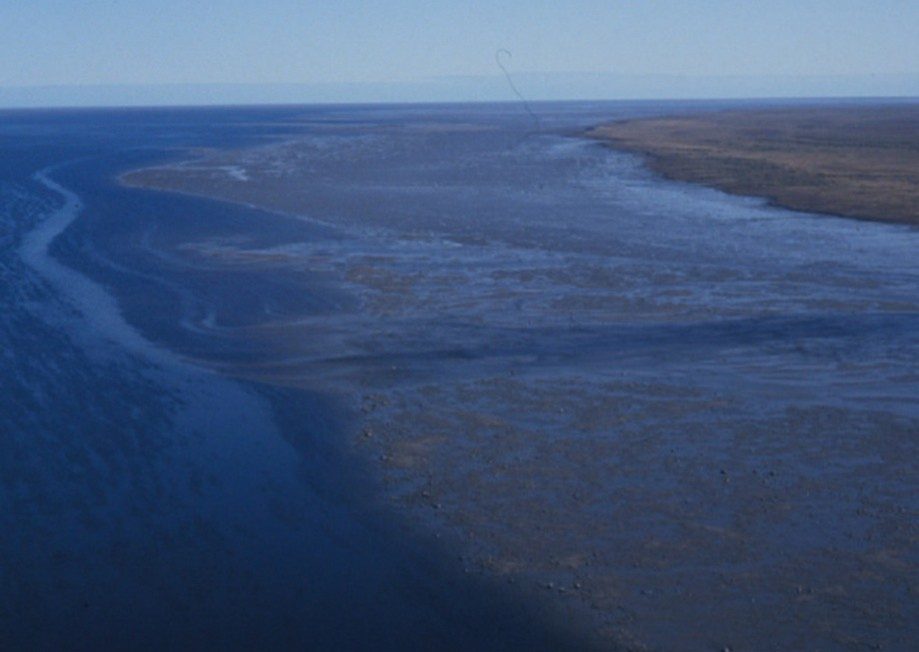
The shore of Hudson Bay running southeast of York Factory is sand, and the water is shallow. They had to paddle a good distance from shore to find water deep enough to load a canoe. Now a storm had blown in and the wind was increasing and waves were getting too high for their sixteen-foot freighter canoe.
Landing the canoe on the beach would be dangerous. The waves had a very strong back-tow when they receded. But landing was their only option to survive. Josiah gave instructions to each person in the canoe. Then he prayed and asked the Lord for his help and protection. Albert was paddling bow and Josiah stern. The next wave that came they turned the canoe so it would ride lengthwise with the wave and paddle as hard as they could to keep from being swamped. As soon as the canoe was grounded, Albert jumped into the water and held onto the canoe. Josiah rushed to help him, and they were able to keep the canoe from washing back out into the bay. The rest of the family jumped out of the canoe and scrambled for higher ground. Josiah and Albert pulled the canoe up out of danger of the next wave. They had made it to shore safely!
From experience they knew that once the storms started in late summer, they would likely blow all fall long. Josiah hid the canoes as well as he could so polar bears would not see it too easily and wreck it. He made a rack, turned the canoe over onto it and tied it down for winter. They would come for it next spring!
They divided their supplies into smaller loads that the children could carry and after a few days they started walking for Kaska.
This wasn’t the first time they needed to do this and certainly wouldn’t be the last time. After a while the children would complain that they were tired and wanted to stop.
Josiah encouraged them, “we will stop and boil tea when we get to the next river. We have a little sugar left and we will have some in our tea.”
The children would keep on walking. After a while they would start to complain again. Again, Josiah would tell them, “We are almost there. I can see it already.”
It was in ways like this that Josiah would get his family to Kaska. If they had to walk very far they might camp beside a little river for a few days so the children would be able to rest and enjoy themselves and have a break from the monotony of walking. At such time Doris’s favourite pastime was to collect stones. Then when they started walking again someone would say, “Doris, take all the stones out of your pockets and throw them away.”
It was on a walk like this, when Peggy was maybe two or three years old that they got up one morning. When they would get up, they would all wash their faces. When Peggy woke up, Flora took a cloth and wiped down her face and hands. Peggy said, “There, now I’m ready.” Awhile later she went into convulsions and didn’t come out of them. She died that way, close to noon. Josiah sent Albert and Thompson to walk to Kaska and ask some of the men to come and help them. I don’t know if they buried her where she died or if they took the body to Kaska for burial there. There was no medical services at this time and if somebody was sick and they didn’t respond to the remedies the people knew of, he/she would die.
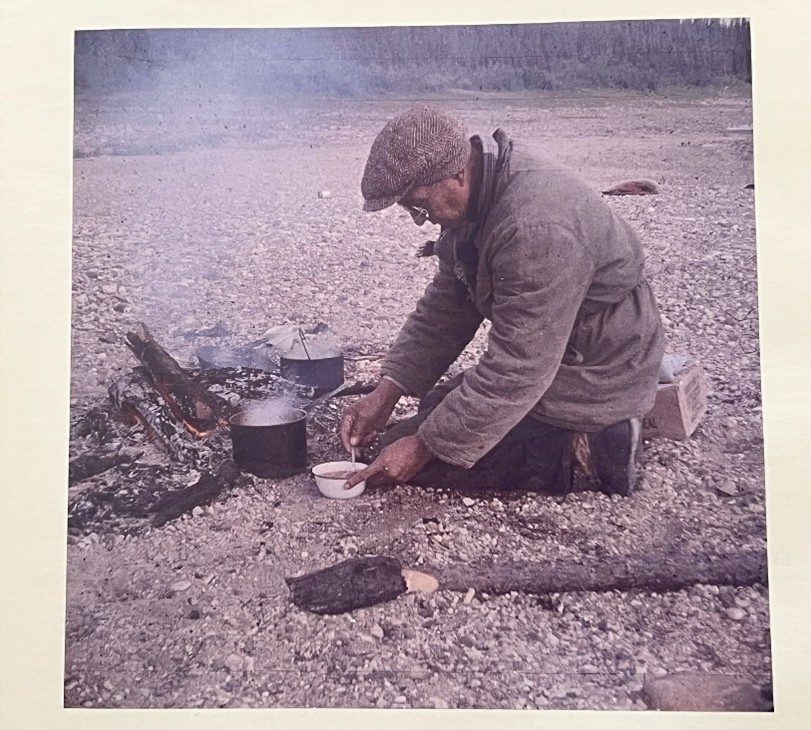
When they were traveling between York Factory and Kaska, they would not take groceries. They would have pots and pans for some tea. For food, they depended on what they would hunt. The family was again finishing the trip to Kaska by walking. But this time there was no game to shoot. They kept on walking even though they were starving. As they kept on walking without food they got weaker and walking became difficult and finally they were too weak to walk. They found a place to make camp and stayed there. One morning they got up and washed up, as he did every morning, Josiah gathered his family and read from the Bible to them, reached for his 30/30 rifle and shot two caribou that were coming toward their camp. The lord had again answered Josiah’s prayer and after a few days of eating, they were again strong enough to walk. Sometimes a few families would be traveling to Kaska together. They would camp here and there and get to Kaska together. This time it was Sam and Mary Saunders and their family traveling with Josiah and Flora and their family. The younger men decided to walk the half mile to the edge of the water just before the tide started to run in and then walk back to shore trying to keep ahead of the tide. Uncle Sam decided to walk out with them. Uncle Sam couldn’t walk fast enough, and the tide caught up with him. The water was up to his knees and so two of the younger men turned back to help him.
In spring, usually in early June, they would paddle back to York Factory to spend a few months with relatives and friends. By early June, the ice would usually be far enough from shore to to travel. Some years a north wind would blow the ice back into shore and since the weather was not very hot at the time it would not melt in time to travel. There were some summers they could not make it to York Factory and they stayed at Kaska. If they really felt they needed to get to York Factory in a year like that they could travel up the Kaskattama River for the long way. Then they could make a long portage, two days long, and then travel down another river that ran into Hudson Bay close to the mouth of the Hayes River.
Life at Kaska
Josiah and Flora were camping on the coast with Thompson, Albert, and the girls. These geese were flying and they were hunting. They needed new blankets and pillows so Josiah pitched a tent and spread a canvas on the ground and the girls were plucking goose down onto the tarp. Thompson and Albert got into an argument. The argument escalated into a fight. Albert won and threw Thompson into a pile of goose down. He got up covered with down and started clearing it off himself. The air in the tent was too full of down to breathe and the girls had to rush outside. Josiah made the boys go into the tent and put every feather back into a pile.
Albert left in the morning to go moose hunting. They needed some fresh meat. He was sixteen years old now. Later in the afternoon he shot a moose. He skinned it and cut up the meat ready to come back with a dog team to haul it home. It had started snowing a little. It wasn’t that Albert couldn’t find his way home but his concern was that his tracks might snow in and he wouldn’t be able to find his way back to the meat to pick it up. So he folded the moose hide in half with the hair to the inside. He made sure no flesh side was touching the other flesh side so that they would not freeze together to trap him inside. He spent the night sleeping inside the hide. He was used to sleeping in the bush by himself. Since he was a boy his father had taken him and Thompson into the bush to sleep. Josiah would make three separate beds. One for himself in the middle, one for Albert some distance away, and one for Thompson on the other side. Albert was scared and he got up to go to his father. Josiah told him, “just go back to sleep, I will be right here.” Now when he crawled out of the moose hide the weather had cleared so he walked home for his dog team to come back for the meat.
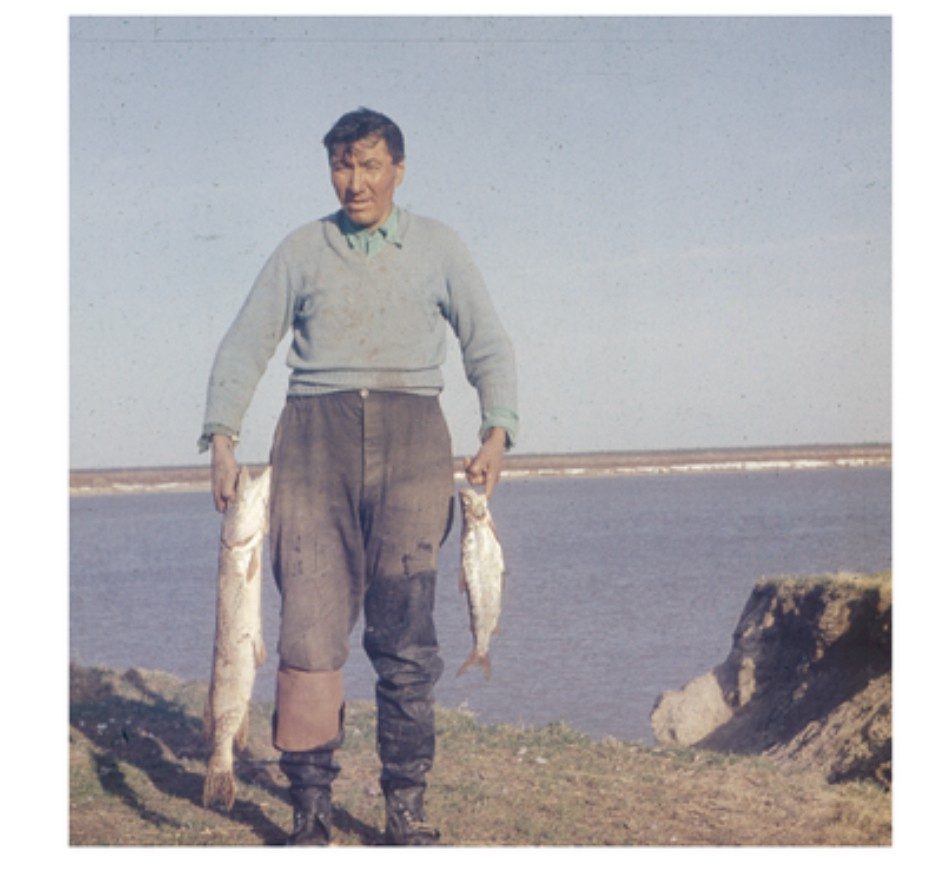
If you travel north of Churchill along the west coast of Hudson Bay, there are arctic char. They live in the sea water and swim up the different rivers and creeks. If you travel from Churchill along the west coast of Hudson Bay and then southeast from York Factory towards James Bay, there are speckled trout in the water. She got a net and set it at one end of the pond. She told Thompson to take off his trousers and chase the trout toward the net. That day they caught a lot of speckled trout. Then sometimes in fall, when the ice was thick enough to travel by dog team, the men would travel east of Kaska to a certain river. It was quite a long trip. At this river they would chop big holes in the ice and scoop speckled trout out of the water with pails and wash tubs. These trout were small; six would fit into a frying pan at the same time. One day in spring, Josiah took Doris and Issac to the mouth of Kaskatamma River. He chopped two holes in the ice a little distance apart. He cut a stick of wood about eighteen inches long for each of them. He tied a fishhook to each line and baited the hooks. That day, they got over a hundred trout to take back home.
The Hudson Bay stores stocked toboggan boards that could be made into toboggans for dog teams. These were oak boards eight inches wide and about 12 feet long. They had curls in front. Two of these boards would be fastened together. Albert and Thompson would be out with their dog teams all day long and they would come home in the evenings. They would stop at the house to unload. Then they would take the toboggans into the bush a little distance behind the house and unhitch the dogs and tie them up by their kennels. The dogs had been pulling all day and were tired. They were anxious to get to their kennels and would take off in a rush after unloaded. It happened that in their hurry the toboggan would hit a tree. Sometimes a toboggan board would crack. Josiah complained about how soon they broke up the toboggans. One evening he said
“you don’t know how to take the dogs to tie them up. Tomorrow evening, I’ll be outside to show you how.” After they unloaded, Josiah took the rope tied to the front of the toboggan to steer it and the dogs rushed off. They jerked Josiah off his feet and dragged him all the way to their kennels.
Josiah was on the Hudson Bay coast. It was spring and there were patches of open water on the Bay. He had taken his rifle with the hope of finding some game. On the edge of the ice by a patch of open water he saw a polar bear with her two cubs. She wanted to swim across the open water. She shoved her cubs into the water and than she started swimming. The cubs scrambled back onto the ice, so she circled back. She shoved the cubs back into the water and started swimming again, but the cubs scrambled back onto the ice. She tried three or four times. Then she shoved the cubs off the ice again, waited for them to surface and dunked them under water again a few times and swam off. This time the cubs followed her.
Sometimes as Josiah was walking in the bush, he would find young birds like owls, ravens, or eagles. He would bring them home and they would feed them. The birds were not kept in cages so as they grew, they were free to fly. Finally, they would be able to hunt their own food, and they would fly off and not return.
Josiah was a good travelling guide and companion. He was making a trip with the Anglican Bishop when he was still in his twenties. They were travelling east down the Hudson Bay Coast. He would be with the Bishop for a whole year. As they were travelling, they met the Thomas family on their way to York factory. Flora was with her parents, and Josiah and Flora wanted to get married. So, Flora got into the Bishop’s canoe and they were married on Hudson Bay. Flora went on to York Factory with her parents and Josiah continued on their trip. Next year when he got home to York Factory, he found Flora and their little baby boy Fredrick.
Another time Josiah and two other men were on a trip with Archdeacon Faries. They were paddling across a lake when a storm blew in. The waves were too high for safety and so they headed for the closest land. The wind kept blowing for a few days and they couldn’t travel on. The Archdeacon was an impatient person, and he would blame the guides for delays like that. They were boiling some tea. After most of the tea was gone he took the tea pail to toss out the last of it. In his impatience he tossed the tea leaves into the wind and the tea leaves and the last of the tea blew back into his face. He was wearing his clerical collar and some of the tea leaves blew behind it. He tried to wipe them off with his fingers. The men did not dare laugh, but one of them had to hurry into the bush.
When they were at York Factory, Josiah helped George Saunders with the ministry in the Anglican Church. Josiah was not a lay reader but his relations to the Lord was recognised and gave him the ability to preach God’s word. When Dave Friesens moved to York Factory as missionaries, Dave subscribed to Gospel Herald’s magazine. This magazine had gospel sermon outlines and Josiah would go to their place to get the Bible verses out of the magazine to organize his sermon to preach. So, Josiah and George Saunders together would do the ministry in the Anglican Church when there was no ordained minister there. Baptisms and weddings would have to wait until the Bishop made his visit.
Certain tools were needed to make and repair the equipment they had. Josiah did something blacksmithing. One tool he made was a draw knife. He would start with a worn-out file, then he made a fire and heated up the file. Using a rock for an anvil he would smith an edge to one side of the file and curve up the end of it. After it was done, he would again heat it red hot and throw it into a pail of cold water to temper it. Then he would carve a handle out of wood to fit to the blade. Conditions were primitive and not every time would produce a draw knife that would sharpen to a good sharp edge. This draw knife was used to make snowshoes, canoe paddles, and other articles of wood.
Josiah had a reputation for making canoe paddles. Often when government people needed to travel to York Factory, they would send an order ahead for some paddles. Josiah started with a piece of dry firewood about six inches in diameter. He would rough out the paddle with his axe and then use his draw knife. He had a little block plane to finish the paddle.
There were no toys for children to play with. Sometimes Flora would give the children some Bannock and a tea pail and they would spend the day in the bush. They left after breakfast and would be home by supper time. On one occasion, Thompson and Albert got into an argument. Thompson was chasing Albert and Albert climbed a tree to get away from Thompson. Thompson took the axe and chopped the tree down.
Another day they had walked for a long time when they found a nest of a hawk owl. Hawk owls are very vicious little birds. Thompson walked closer to get a better look and the little bird made a powerful dive for him and knocked his cap from his head. The next day they walked all the way back but Thompson was carrying a water pail. Again, he walked close to the tree where the nest was but this time he had the water pail over his head. The hawk owl came diving to attack, hit the water pail and fell to the ground dead.
Like children everywhere they did a lot of pretend play. They would pretend they were hunting geese or driving dog teams. At York Factory there are high riverbanks. At some places there are little spring runoffs down to the river. These were filled with snow in winter, and the children would slide down these places. When Maria was a little girl she and her friends would sneak to the graveyard. There was quite a large gravestone, about three feet by four feet lying flat over the grave of a small girl. They would brush the sticks and leaves off the stone, and they would jig on it.
If there was a soccer ball around, they would have great fun chasing it and kicking it, there was no sides and no rules. They just ran after the ball in a group and kicked it.One day all the men were out hunting geese. Flora and the girls were in the house busy. Issac was still a small boy and he was playing outside. They heard some geese flying by very low. There was a gun shot outside. Nobody wanted to go and check because they were afraid Issac might have shot himself. Slowly the door opened and Issac came in dragging a goose by the neck. He had put the gunstock on the ground, pointed the barrel at the geese and pulled the trigger.
One day, Thompson and Albert went to John Thomas’s house. John had been drinking. When the boys walked in he told the to fill his pipe. They did and handed it back to him. He lit it and started smoking. After a few drags there was a little pop and a cloud of black smoke rose from the pipe. John took the pipe out of his mouth, looked at it, and asked the pipe, “what is the matter with you?” He put the pipe back in his mouth and kept on smoking. The boys had put a little gun powder in the pipe. No harm was done except John had a black face.
Another day the boys walked in Job Beardy’s house. Job had just finished cooking a whole trout. He sat down at the table, lifted the trout off the plate, tilted his head back and put the whole trout headfirst into his mouth.
The family was hit hard by tuberculosis. George, Albert, Thompson, Priscilla all were taken to the sanitorium at Ninette. George and Albert were not gone too long. Thompson came back to York Factory in the winter of 1954. Priscilla must have spent ten years at Ninette. When she was ready to be released, she moved to Churchill to live there. The doctor wanted to take Doris to the sanatorium too, but Josiah did not let her go. The doctor told him that if she did not get out for medical help she would die. Josiah’s answer was, “only God knows when Doris will die.” For a whole winter Doris was sick in bed. She remembered it being fall and then she was not aware of her surroundings till spring. She survived the tuberculosis and was able to live a normal, productive life. When she was 58 years old she was diagnosed with lung cancer and died two years later.
Growing Older
Flora and Josiah are getting older as all people do. They were not able to do the physical activities as they used to. Thompson and Albert had grown up, and they did more and more of the trapping each year. Flora and Josiah started to move back to York Factory by dog team each year. They would make the trip back in time for Easter. Thompson and Albert would go back with the dogs for spring trapping. About 1955, Flora and Josiah would start living at York Factory year-round.
I had moved to God’s Lake in 1954 to start school at Elk Island. In 1956 I moved back to York Factory to teach. Doris had accepted the Lord Jesus into her life and had grown up to be a beautiful young woman. As I saw her around town, in Sunday school, Sunday mornings and church Sunday evenings, her life appealed to me more and more. God gave me the kind of love for her that was made for marriage. At the time marrying an Aboriginal woman was not accepted. That year I spent a lot of time praying. We did not start dating at York Factory, but I spent some time around her parents. I got to know Flora and Josiah and I realized the quality of training Doris had received. I had no more apprehension about marrying her.
There wasn’t enough deep water in Hayes River in front of the village for a full-size fish net. Josiah had tied a small mesh net to fish under the ice at the downstream point of one of the islands.
He would have a few Cisco’s (a small whitefish) in the net when he went to life it. Two times that winter he caught a sculpin and brought them to me at the school. Sculpins are little ugly fish.
They have a round head about the size of a baseball. The mouth reaches right across the head, and it has about a six-inch body no more than one diameter. There is nothing to eat on them. They live on fish eggs. I sent one out to my brother in Winnipeg to take it to a taxidermist, but it was rotten by the time it got there.
I sent one out to my brother in Winnipeg to take it to a taxidermist, but it was rotten by the time it got there.
Josiah had a log cabin at Sipastik. In open water he and Flora would paddle upriver, and they would camp there for a few days. They would set a net and snare rabbits and come paddling back home again. Or he would paddle downstream at low tide and pound some stakes into the mud flats of an island. Then at high tide the net would be under water, and he might have a few fish in the net. Then he would need to beat the sea gulls, when the tide went back, to get the fish. Sometimes a seal would swim up the river a little distance. The dogs were tied up right at the edge of the riverbank in summer. One of the dogs would make a little sound when a seal was swimming in and then, usually Issac as he became a teenager would take the shotgun and paddle out to hunt the seal. If he got it, they would cut it up for dog food.
A few times Josiah came to the teacherage in the evenings to visit. I had my fishing tackle and hooks on the wall, and he was intrigued by them.
I had spent two summers at Gods Lake, and I had lures for lake trout, smaller lure for ordinary fishing and also some trout flies. He had seen me come home from Ten Shilling Creek with trout and he had made a comment, “His wife will not need to be hungry.” As I learned more Cree, I understood that he called me “the angler.”
If you walked into their house Flora would likely be sitting on the chair by the table knitting socks, or mending clothes, or doing some beadwork. Josiah might be reading the Bible out loud, or they might be singing gospel songs together. There was a demand for the paddles Josiah made, and in summertime he could be seen outside in front of the house working on them.
In June of 1957, York Factory was being closed, and the government moved the people to York Landing. I was a member of Northern Canada Evangelical Mission and was requested to move to Wegamow, Ontario for the summer. Josiah and Flora, together with the rest of the community left York Factory. When they arrived at York Landing the houses that they had been promised would be ready for them were not there. They all lived in tents well into the winter. The school that had been promised would be there for them was not. All the children from six years of age and up were sent to residential school. They had been promised a store, but it was not there. They had to travel across the lake to Split Lake to shop or else travel to the C.N. Railway to Landing River and go to Ilford.
The church that they had been promised was not there and after a few years George Saunders and Josiah built one out of logs.
Sometime in the summer of 1958 Flora got sick. She was taken to The Pas hospital by plane. She died in the hospital and was buried in the Anglican graveyard on the reserve there. We wanted to find her grave and get a headstone for it. Jed Reader, a friend of ours, working for Natural Resources in The Pas spent time trying to help us. The graves had not been marked when they moved them and so we never did find it. Doris wanted to move to York Landing to take care of Josiah, but he wrote back not to come because there was no future for her at York Landing. Flora’s death caused Josiah a lot of grief. I don’t think the grief ever left him, but he learned to carry on life. He went to live with George and Maria Saunders.
At the end of August 1960, Doris and I moved to Ilford. We had been married April 17th, and I wanted to try teaching again.
By the end of November, I got sick again. Teaching was something I just could not handle. During those months, Josiah came to visit us a few times, and it was a joy to be closer to York Factory people.
Josiah was diagnosed with cancer of the bladder. He was in Winnipeg for treatments and he survived and lived for another thirteen years before he contacted leukaemia. After he returned to York Landing after successful treatments, we went to York Landing for a visit. Winnipeg had been a very strange place for Josiah and he had some questions. One thing he asked was “All those people you see walking there, where are they going?” another question was “when people are walking there, why do they stop on both sides and then start running at each other?” it was difficult to explain Winnipeg culture to him.
In 1974 we located to Thompson. Josiah came to visit us a few times. Once all of us had been downtown and when we came home, he was sitting in the living room. Doris asked him, “how did you know this was our house?” Josiah replied, “it looked like your house.” He hadn’t seen it before. Miriam was maybe two years old, and he spent time watching her. Doris gave her a cone of ice cream to eat and Josiah was alarmed when she started eating the cone. He was really amused when he saw cars driving with boats turned upside down on car-top carriers. Once we went to Paint Lake. Out on the lake someone was water skiing. He stood watching for a long time. He lifted his glasses to look under them, and then he looked over top of them. Finally, after watching for quite a while he said, “Nipawiw” (he is standing)
In the late 1970’s Josiah was diagnosed with Leukemia. This really drained his strength, and he was sent to Thompson for blood transfusions. He stayed with us when he came. As Leukemia advanced, he needed transfusions more frequently. Finally, we, together with the rest of the family decided to keep him in Thompson. The time came, after a month or so that transfusion made no difference in his health, they kept him in the hospital. Travel was difficult in those years, and the other family members could not come to town. Doris went to see him every day, and I went a few times in the evenings. Then the day came that we knew he was dying. Doris stayed with him from forenoon and when I came home from work at noon I went to the hospital too. Through the afternoon his condition deteriorated. He told Doris again, as he had before, to make sure she would keep on living for God because she would now need to be the one to tell the rest of the family about salvation after he died. Towards evening he told us that we should go home because our children would need us. Then he told us, “And I am going home too.” So, we left and within a few hours the hospital phoned that he had died. She told Doris that after we left Josiah’s room, she saw seven strange men walking into Josiah’s room. Soon after that Josiah died but she did not see those seven strange men come back out of the room. So, maybe God sent angels to take Josiah’s spirit to him.
We took Josiah in a coffin to York Landing. Joseph Saunders Officiated at the funeral, and he was buried in the graveyard there.
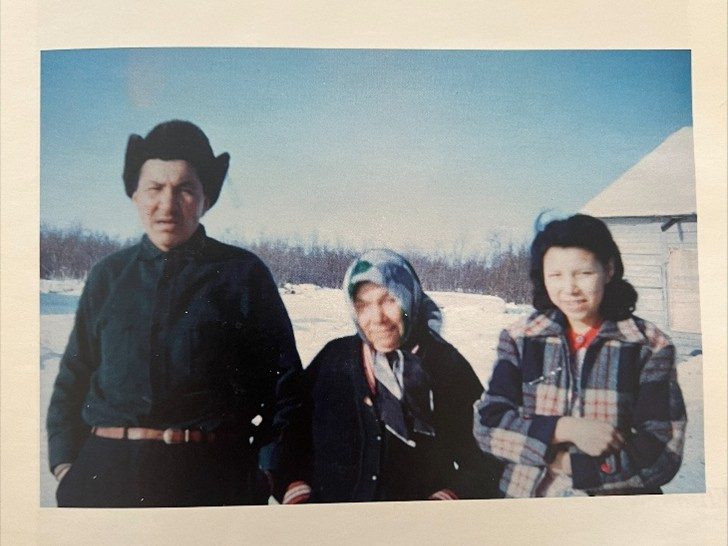
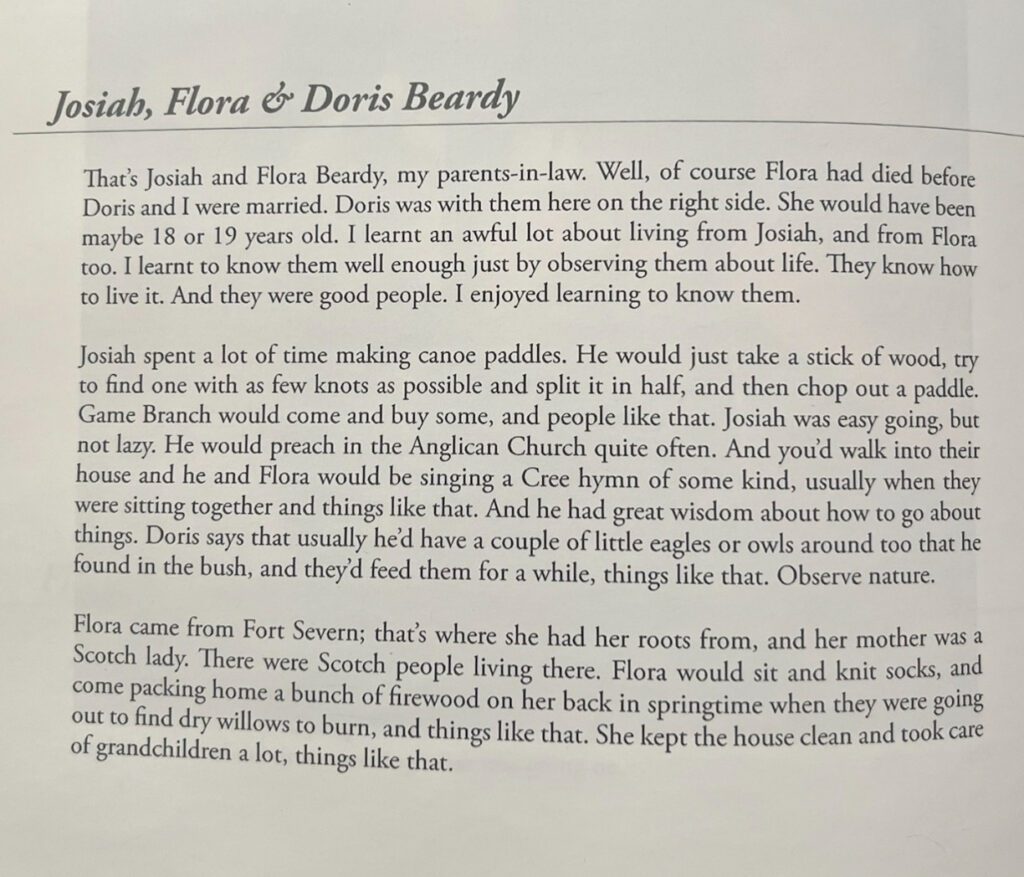
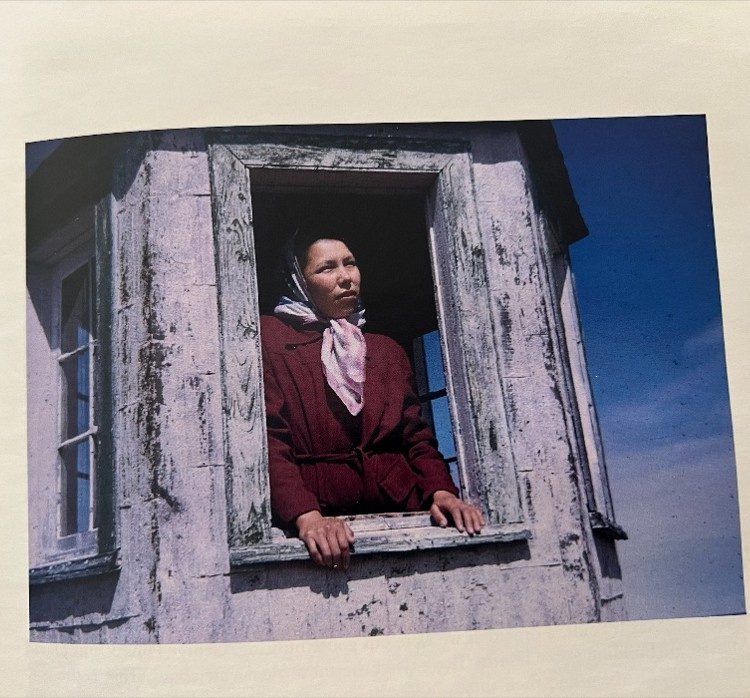
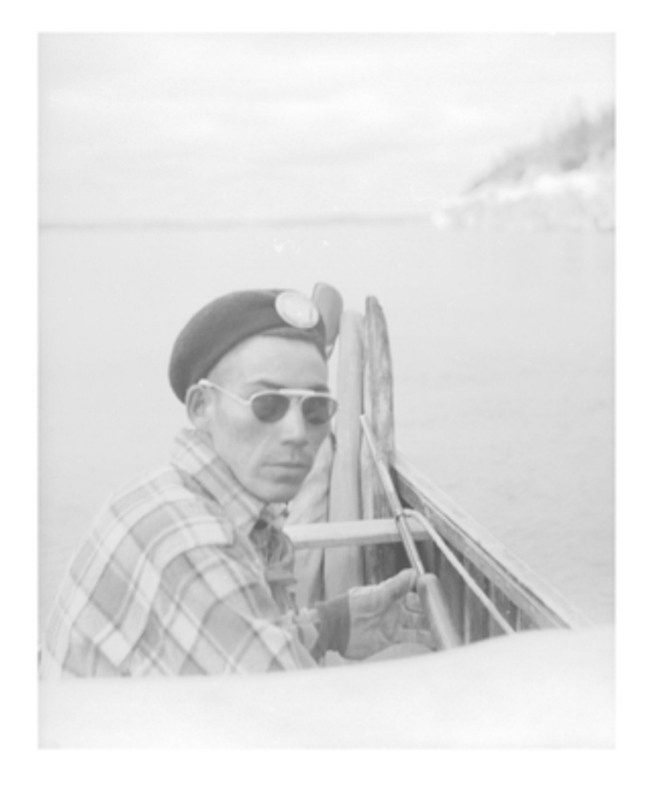
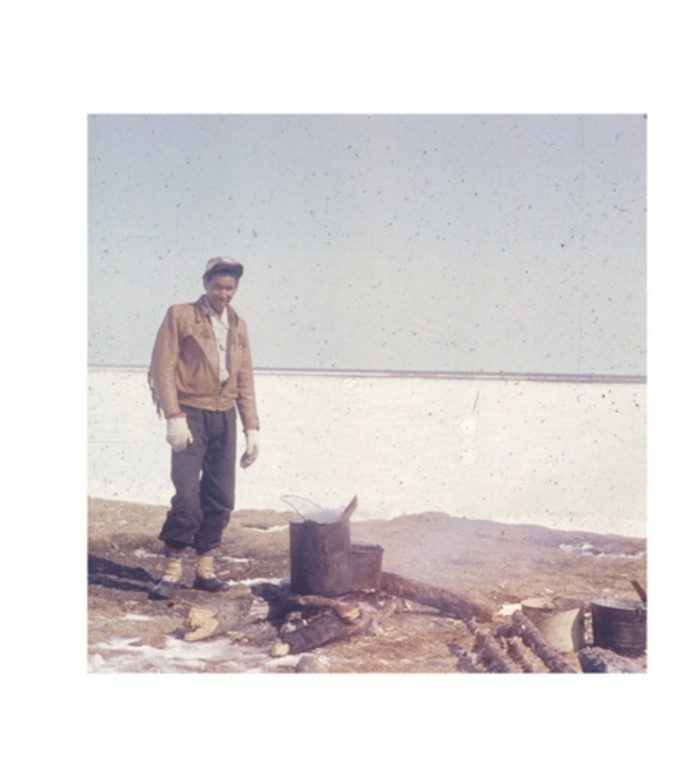
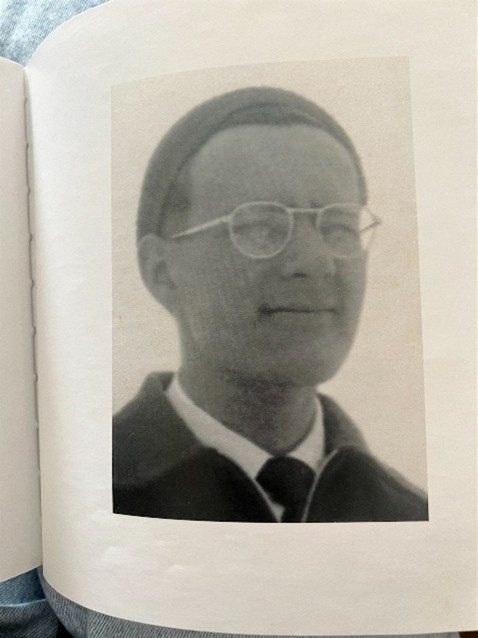
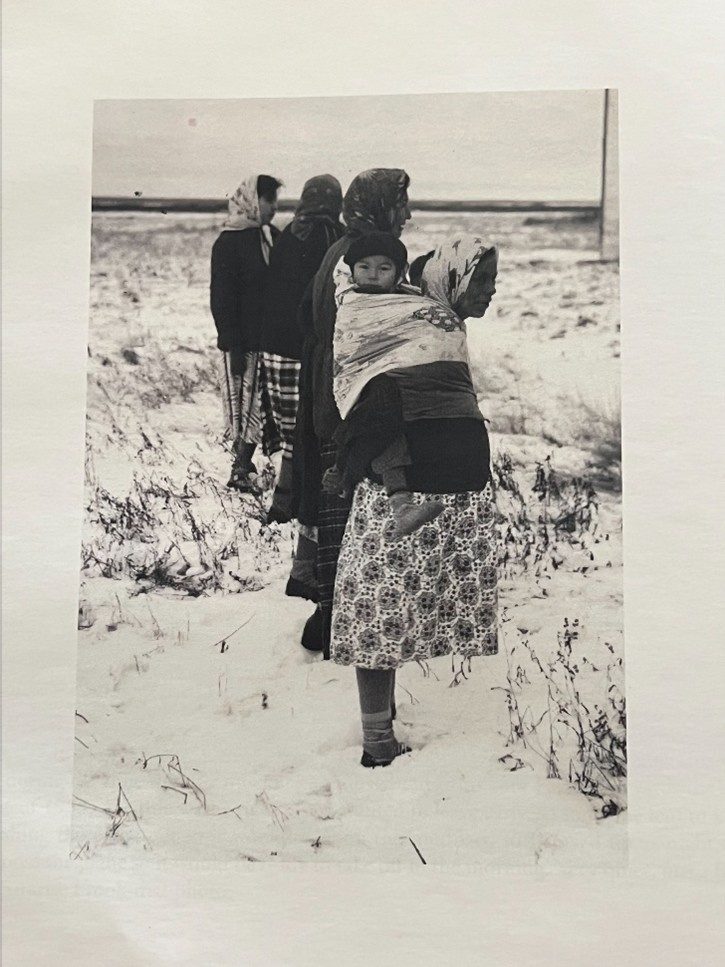
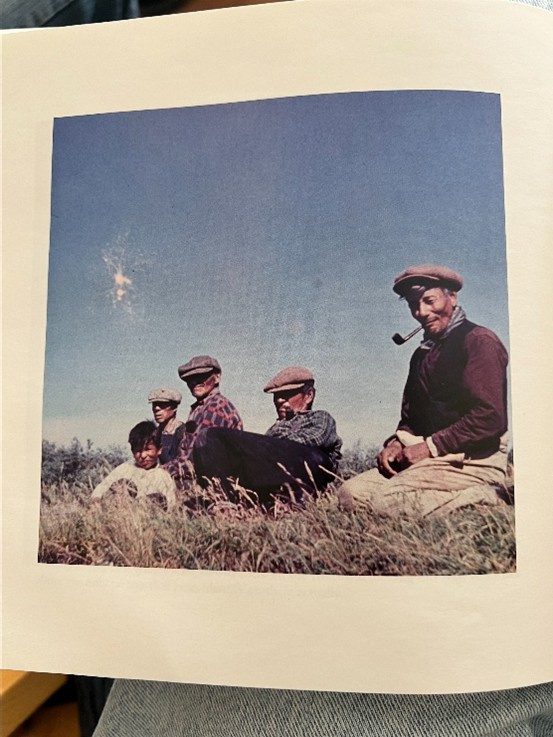
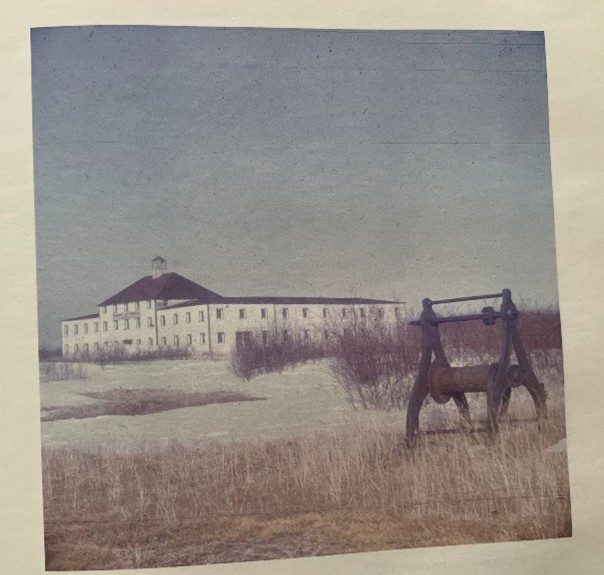
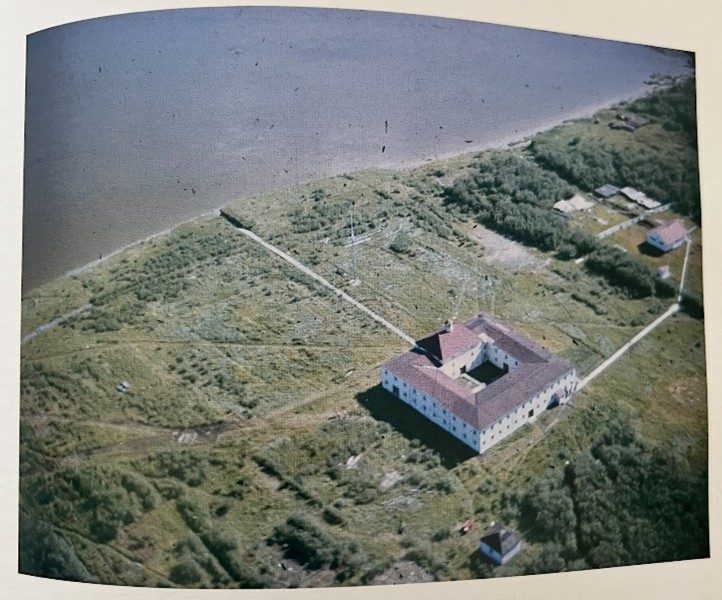
Disclaimer: The photographs were taken by my great-grandfather, Albert (Bert) Brown. The copyrights are owned by the Beardy Family, represented by Pricilla Ruth Gibeault. Any use of the photos requires her permission.
Part III Reflection on Sharing the Family History Orally
The following is what I have responded to the designated questions for this assignment:
1. Learning Experience
This story was told by my great-grandfather, Albert (Bert) Brown. He was inspired to create a written version of these memories so future generations of my community and my family can learn and have a better understanding of the ancestors and the struggles they went through to give us the lives we are able to live today.
2. Oral Tradition Connection
Being able to tell a story aloud changes it immensely. When reading a story, you are disconnected from the depth of emotion carried throughout, but when a story is told orally, you can experience the full connection as if you were there when these memories happened.
3. Performance Experience
I find it challenging to tell a verbal story without an audience. This is the first course I’ve taken that has required me to learn how to create and upload videos online, and it’s been an interesting experience! At times, I became frustrated when I made mistakes in my story and had to restart the entire video. However, these assignments have taught me to be more patient with technology. Most importantly, transforming the story from written to oral and then to digital has brought it to life. This process honours oral traditions and helps preserve and pass down family and community history to future generations and to a wider readership.
4. Cultural Significance
This story captures the essence of my identity by reflecting the memories of my ancestors, whom I never had the chance to meet before they passed on to the spirit world. These narratives have shaped my values, with my core beliefs centred around hard work and strong family ties. I hope that my listeners gain a deeper understanding of the experiences of the people living in the north throughout history, as well as insight into my family’s legacy.