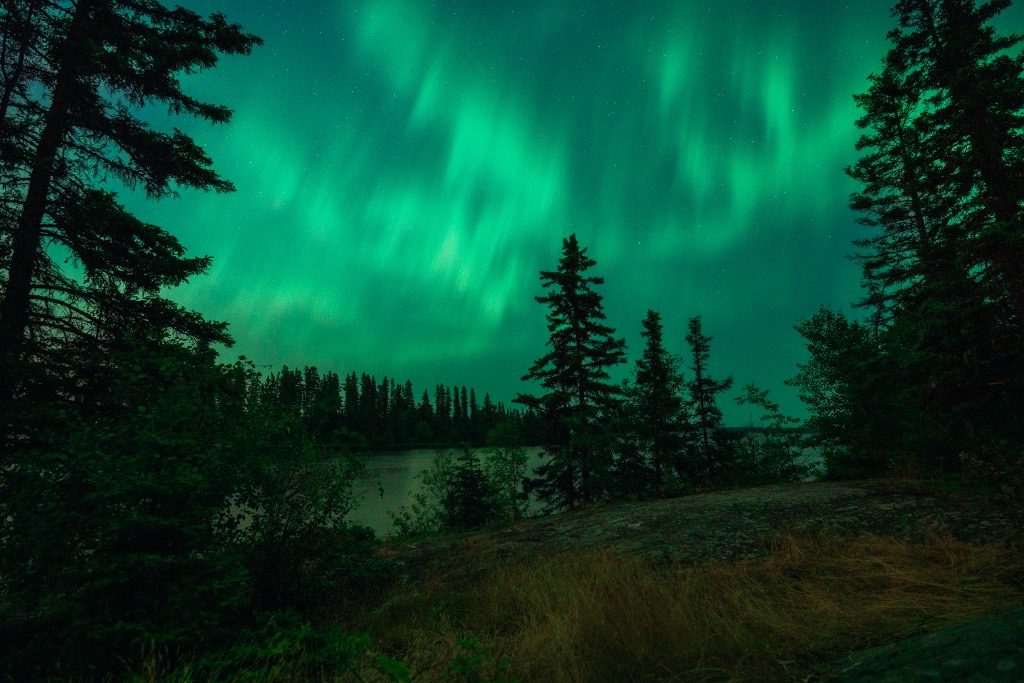
On the highway, heading south
Looking around, trees, land, and animals
Nothing special from the rez
Chance to move away!
Take it!!
Why is the road so long?
I can’t wait to get to the city!
Keeping on driving and a busy day is approaching
Lights, sounds, people, buildings and signs everywhere
Time seems to slow down, and so does the driving
So many people on the streets
Black, white, yellow and even brown
So many activities are going on
Strolling, wandering, and waiting for the bus to come
Why is that store closed?
Why did the police pull over that van?
What does that man search the garbage bin for?
Twelve months
pass
slowly
Finally, on the highway, heading north
Looking around, people, traffic and buildings,
Nothing special about the big city
Chance to go back home!
Taking it!!
Why is the path so curved?
I can’t wait to return home!
Keeping driving, and quiet evening coming
Stars, howling sounds, animals and fresh air everywhere
Driving seems to come down, and so does the heart
So much space on both sides of the road
Trees, land, a bridge and even houses in the bush
So intense emotion is pouring
Loved ones, nieces and nephews, and more families to come
Why did I leave?
What was I thinking?
Why was I so blind?
Now I realize
The rez is my home.
Reflection on My Poem
Reminiscing about leaving and returning home after receiving training was always at the forefront of my daily thoughts.
Realizing that coming home to the Rez, returning to family, friends, and nature, is one of the most rewarding feelings and will always remain most special.
What inspired me to write this poem is my experience living on the reservation (rez) my entire life, and how it felt to visit the big city of Winnipeg. Travelling south in the poem symbolizes my desire to leave for the town, filled with excitement and the feeling that the reservation had nothing to offer me.
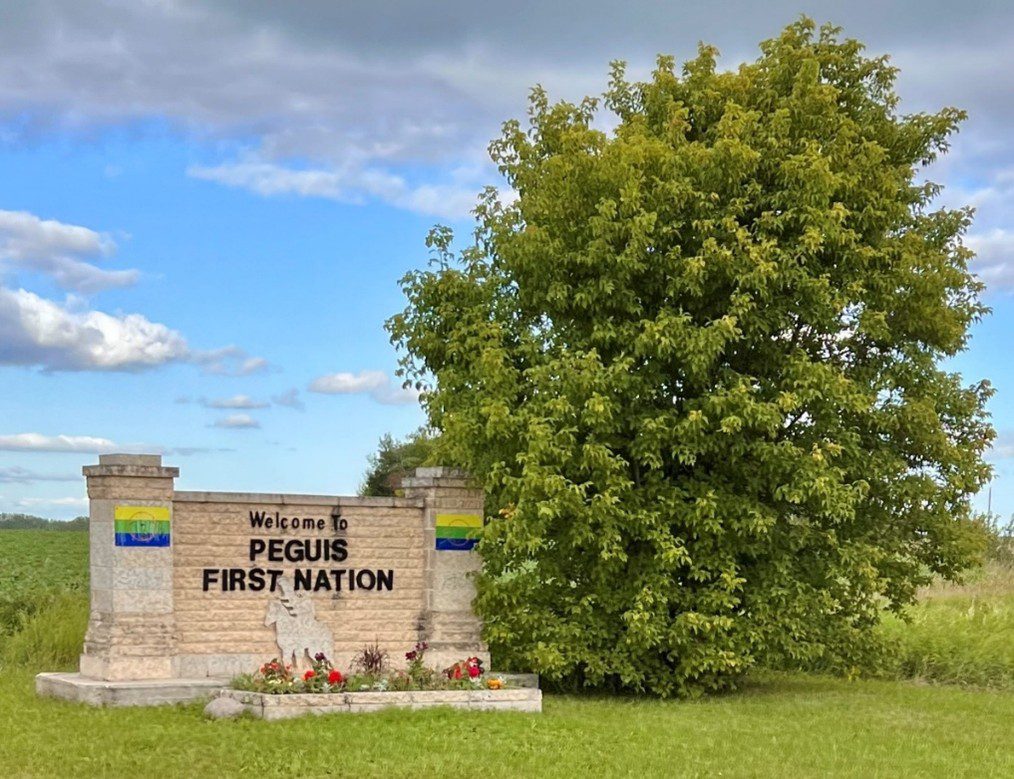
The poem reflects a significant experience I had in August 2023 when I attended a six-week heavy equipment operator program in Winnipeg. During that time, I either slept in my vehicle or drove back and forth until I had my partner’s auntie, and my friend gave me a place to stay. At night, I missed my family, the moon, the stars, the Northern Lights, the quietness, the smell of fresh air, and, most importantly, my rez. I experienced “cultural shock” as it was challenging to adapt to the fast-paced life, with so many people around me constantly, especially since I struggled with anxiety. The picture of the sign of my community was taken during this time, when I came back home one day during training, and I wanted to catch the powwow.
When the poem mentions travelling north, it captures how I felt after those six weeks. I realized how much I missed my family, nature, and my community. I often wondered why my friends from the city spoke so fondly of returning home until I had my own experience.
Now, I understand that no matter where I go or how far I travel, the rez will always be here to welcome me back home. This poem resonates with anyone from a northern community who has travelled south to the city of Winnipeg.
The poem “Back Roads” by Duncan Mercredi, featured in our textbook Native Poetry in Canada: A Contemporary Anthology, also inspired me. I was particularly struck by the line, “I travel the back roads in the dust-covered vans” (Mercredi, “Back Roads” 204). My grandfather knew Duncan, as they both worked together in land surveying, travelling and meeting at various locations.
What I enjoyed the most while creating and reading out loud my poem at Poetry Night was recalling memories of home when returning after schooling was completed. I enjoyed the class’s response to my reading and acting out of the poem. I felt that they could relate to leaving, but also the excitement of returning home.
In creating my own poem, I focus on key poetic devices such as imagery and repetition, which I use to describe my travels into the city and back home. No matter which direction I take, I always feel time slowing down. I also employ diction when discussing my travels north and south; despite heading in different directions, I still experience the same sense of wonder at new sights and locations. Lastly, I use many rhetorical questions to describe my feelings during the journey, whether I am heading south or north. There is a feeling of excitement as I set out southward, but I also feel a thrill when I travel north. Ultimately, I came to realize what I have been missing and how much the reservation truly feels like home.