
Sexual harassment is an ongoing and prevalent issue in every society and can occur in the workplace. Sexual harassment relates to any unwanted sexual acts, gestures, or statements that cause discomfort, victimization or fear. Clear regulations and guidelines must be present and enforced in the workplace to prevent and appropriately address harassment. However, many workplaces fail to take necessary steps to prevent and respond to this type of abuse, which creates an unsafe work environment for employees. This study aims to discover risks associated with sexual harassment against Indigenous and non-Indigenous women in the workplace in the small northern community of The Pas, Manitoba. It also seeks to discover whether women, particularly Indigenous women, face more challenges than men at work. Furthermore, this research aims to provide suggestions and include the needed perspectives of women and Indigenous peoples to address a knowledge gap in northern communities. In addition, the study attempts to liberate stigma and build awareness by revealing how sexual harassment persists in affecting women at work. Investigating this topic and uncovering solutions allows victims to re-empower and validate themselves in ways that workplaces may fail to do so. The research questions will focus on the measures that the workplaces in the community have implemented to address sexual harassment and the extent to which harassment affects working conditions for women. The following sections contain a literature review, methodology, data collection, results, and an analysis of the findings.
Defining Harassment
Defining sexual harassment in the workplace facilitates a clear understanding of the issue, enabling the prevention and correction of it. Sexual harassment in the workplace can be defined in many ways by various researchers. It must also be noted that what is regarded as sexual harassment or abuse can vary among societies and situations. Workplace sexual harassment or abuse, according to Keller & Tracy (2008), is any undesirable sexual action or advances toward another employee in a workplace setting. Furthermore, Yosep et al. (2023) describe sexual harassment as a behaviour related to forced sexual acts without the consent of the victim. It is an unwarranted or unpleasant sexual act towards another employee that can interfere with their well-being (Yosep et al., 2023). To specify, such acts may include physical, verbal, and non-verbal gestures or comments that threaten the work environment of employees and workers. For instance, if a colleague frequently makes inappropriate sexual remarks or jokes to another employee. Sexual harassment can vary in each scenario and must be acknowledged when it occurs.
Literature Review
It is essential to acknowledge that the definition of sexual harassment in research is modern, despite being a social issue for centuries. The study of sexual harassment against Indigenous and non-Indigenous women is crucial for challenging and re-evaluating current systems and notions that have historically suppressed groups of people. Recognizing patterns of inequality fosters awareness and knowledge, leading to more equitable and safe work environments. The central themes of the literature seek roots to the issues of sexual harassment against women by identifying power dynamics and the ways that sex and race discrimination may make women more vulnerable in workplaces (Carle, 2006; DiLorenzo & Harshbarger, 1999; Huhndorf, 2021; Jones & Wade, 2020; Sekreta, 2006). The domination of Western Patriarchal culture lingers, and Indigenous women are further marginalized by an additional layer of oppression that shapes day-to-day interactions. These factors can place women in disadvantaged positions at work, characterized by unbalanced power dynamics. Therefore, it is crucial to understand sexual harassment and the harm that it can create in a work culture. All women have a possibility of being victimized by domestic or sexual violence, harassment, and abuse (Tucker, 2016). However, Indigenous women face multiple forms of discrimination, which subject them to more challenges than non-Indigenous women in Canada. Accordingly, it is crucial to incorporate an Indigenous feminist academic perspective into the framework to approach the perspective of the victims, rather than relying on an outside source. It is necessary to understand the concept and the context of sexual harassment clearly. At the same time, it is essential to consider cross-cultural perspectives to address knowledge gaps regarding the issue and to provide proper guidelines tailored to the workplace to effectively prevent and correct harassment (DiLorenzo & Harshbarger, 1999; Jones & Wade, 2020; Keller & Tracy, 2008; Zimbroff, 2007). Research demonstrates that sexual harassment causes a hostile, intimidating, and offensive work climate that hinders performance (DiLorenzo & Harshbarger, 1999; Keller & Tracy, 2008; Strauss, 2019). Moreover, it is an act that offends, attempts to overpower, and negatively impacts the well-being of victims (Yosep et al., 2023). Sexual harassment in the workplace is detrimental because employment is vital to women’s survival and independence (MacKinnon, 1991). Consequently, women who rely on stable employment to maintain their independence may face significant challenges.
A common concern discussed in the publications is power dynamics at work, which can lead to sexual harassment against women in male-dominated workplaces (Carle, 2006; Jones & Wade, 2020; Keller & Tracy, 2008). According to Scott (1999), when sexual harassment occurs in the workplace, it contributes to women’s subordination. MacKinnon (1991) affirms this statement by indicating that tolerance of sexual harassment threatens and disadvantages women by encouraging inequality, abuse, and exploitation. Thus, sexual harassment and exploitation of women and sexual harassment in the workplace are sex discrimination (Scott, 1999). Discrimination in this case relates to the adverse treatment of women compared to men in the workplace, reinforcing traditional dogmas and gender roles that burden their status as employees (MacKinnon, 1991; Scott, 1999). Sex-based inequality issues, such as occupational segmentation, contribute to sex discrimination by placing women in positions that render them more susceptible to harassment (MacKinnon, 1991; Scott, 1999). Despite social change over the decades, sexual subordination of women within the workplace is still prevalent due to power imbalances and traditional notions of sex and social positions. In many scenarios, these power dynamics in the workplace can be a factor that protects the abusers over the victims. To eliminate gender inequalities in the workplace, women’s social status must be considered in comparison to men’s. Inconsistent policy enforcement can further devalue and silence women to maintain power within the workplace and in a patriarchal work culture or society. Hence, when discrimination is present in any work setting, it must be addressed and taken seriously by employers. The research and theories demonstrate that men and women are not offered equal opportunities due to the structure and functions of institutions. Therefore, in theory and essence, women, specifically Indigenous women, are subjected to facing more challenges and abuse in the workplace than men.
Methodology
Using mixed methods, data were collected through survey questionnaires and interviews, conducted via convenience sampling, in the community. Survey questionnaires made it possible to analyze quantitative data and convert it into numerical data. Interviews were conducted to understand participants’ perspectives and bring their suppositions and observations to light. The sample population for the research consisted of fifteen voluntary participants from The Pas, Manitoba, including Indigenous and non-Indigenous men and women aged 18 and above who have worked or are currently working in the community. Data collection involved recruiting participants from various sectors and conducting surveys using convenience and snowball sampling. The research focused on the societal and management structure of the workplaces and their success in preventing and correcting sexual harassment. The questionnaire included demographic and multiple-choice questions regarding workplace information, procedures, and safety. Furthermore, the three interviews consisted of open-ended questions concerning feelings of safety in the workplace and concluded with recommendations for effective change. Sample questions from the survey ranked whether employees felt confident reporting sexual misconduct, if employers teach tools, skills, or training about harassment, and feelings of safety at work. Data analysis makes it possible to outline how relationships between variables are conceptualized using different multivariate models and methods. However, with limited data, it is challenging to identify statistical relationships in the dataset. As a result of a smaller sample size, I used qualitative descriptive statistics to analyze data.
Research Ethics
Research has been conducted in accordance with UCN research ethics principles. The UCN Research Ethics Board approved the project as a part of the Survey Research Methods course. Data was collected from the employees in various sectors in The Pas, Manitoba. Participants in the research were volunteers, and they were given an information sheet and a consent form before participating in the survey questionnaires and interviews. Interviews were scheduled in person and over the phone for individuals to have a private space to share any additional information. Those who participated in the study will remain anonymous and protected to respect their confidentiality and autonomy. Participant confidentiality is ensured for seven years, and then the data is destroyed. The result of the project will help the community and businesses to renew current management methods to properly revise, prioritize, and enforce harassment policies and procedures as necessary and as suited to each workplace.
Measurements
The research questions are to examine the steps taken to prevent sexual harassment in the workplace and how it affects the working conditions of Indigenous and non-Indigenous women in The Pas. Sexual harassment or abuse is used interchangeably and is measured based on participant answers in the questionnaires and by discussion with interviewees. The study’s hypothesis is to measure an increase in sexual harassment in the workplace for Indigenous women compared to other women and men. Without research expansion, it is difficult to conclude specifically whether Indigenous women experience more sexual harassment through the current study, due to the small-scale availability of data in a short amount of time to measure this hypothesis. Nonetheless, the literature and current study give insight into explanations that lead to the persistence of sexual misconduct against victims at work.
Results
The study provided qualitative and quantitative evidence of the prevalence of sexual harassment against women in their workplace environments in The Pas, Manitoba. The descriptive statistics give insight into which types of people participated in the study sample to gain an overview of the study’s results. Most participants are men and women aged 18-24 who identified as Indigenous and non-Indigenous, ranging in working hours from full-time to part-time. The study’s independent variables concentrated on gender, race, and job category. The relationship between variables is relevant to dependent variables, such as feelings of participant safety and confidence at work and measurement of sexual harassment. The results are precise in that the independent variables increase the likelihood of sexual misconduct in the workplace alongside the lack of proper safety procedures and management. Sexual harassment is more common among women due to a variety of characteristics and the positions in which they are placed. Survey questionnaires and detailed interviews were analyzed to identify the factors associated with sexual harassment against women in The Pas’ workplaces. The analysis of the findings determined that participants who did not receive any training to prevent sexual harassment in the workplace are unclear about what measures to take if it occurs. Although most workplaces have a sexual harassment policy, it does not always ensure the safety of their workers. The policies are not always followed, enforced, or explained to workers. Results show the need for improvements if resources are not always explicitly available, and maintaining clear policies to combat harassment and empower its victims. Moreover, those without skills or training in harassment prevention and action are less confident in their ability to report and speak up against harassment. Further, most participants are not familiar with how to make a harassment report unless they have previously had to report harassment in the workplace.
Table 1: Demographic Information
Table 1 shows the range of participant age categories from 18 to over 50, with 60 percent of participants aged 18-24. The table reveals that most participants from the study are single and unmarried self-identified females, with 33.3 percent male participants. Representation in the survey also reaches married, separated, and common-law participants. The job categories included crew member, general worker, manager, customer service, and others, such as administrative assistant and social worker. Also included are the participants’ monthly incomes at work. Participants with a low monthly income may be affected by reduced or part-time hours. Most participants’ household incomes were over $79,000 a year, and the remaining 42.9 percent earned less than around $50,000 per year. In addition, the employment status of each participant shows that 60 percent of participants work full-time compared to 26.7 percent part-time. Lastly, relating to the status of participants, 26.7 percent self-identified as Indigenous. Half the Indigenous participants are recognized as Metis, and the remaining identify as First Nations.
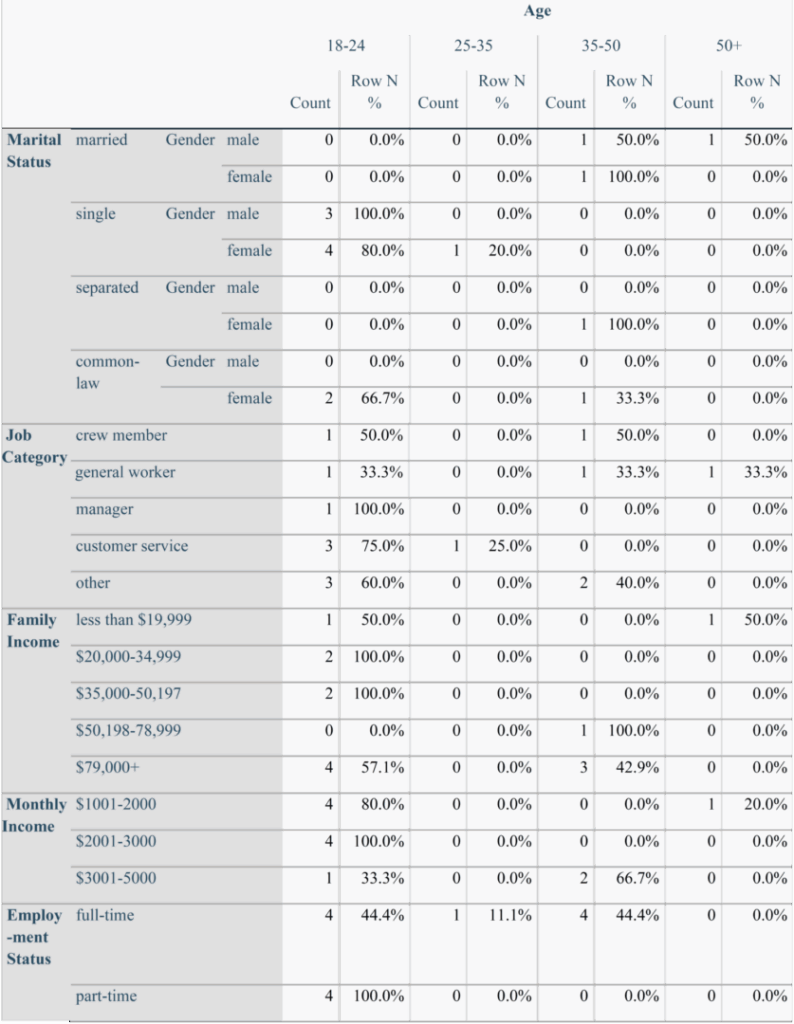
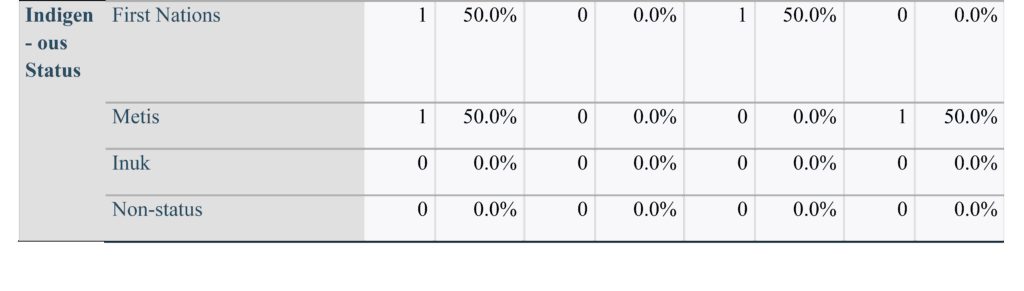
Table 2: Level of Education and Job Category
The results show that 46.7 percent of the participants completed their high school diploma, and the remaining had a university/college degree or diploma. It is important to note that many part-time participants were also enrolled as full-time students. The level of education suggests that younger individuals with lower levels of education can be linked with lower-paying positions and more vulnerable working conditions. Most of the participants from the study are within the health and wellness service sector. The results from Figure 1 show that participants work in customer service or other public positions. The other predominant category of employees is administrative assistant work and social work.
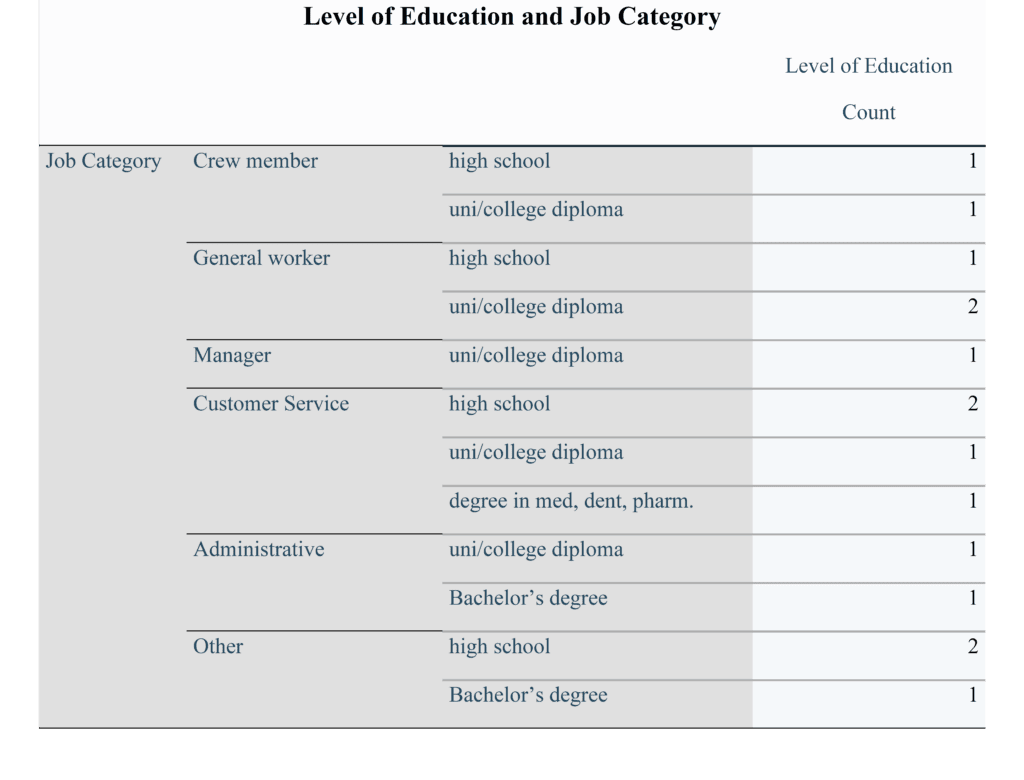
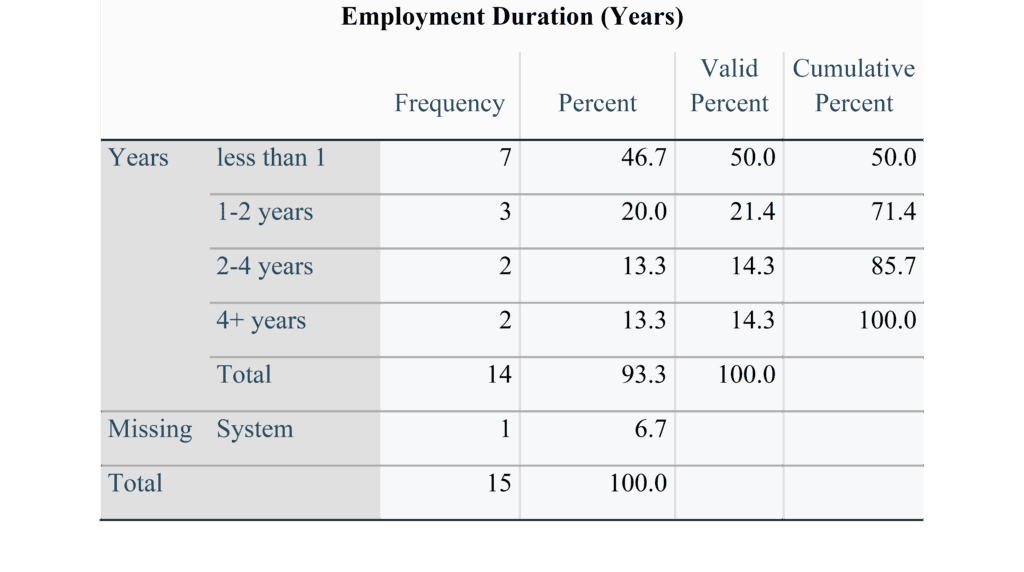
Table 3: Employment Duration
According to the data, only 14.3 percent of workers have held their current position for more than four years. The remaining 85.7 percent of participants have maintained their current position for less than four years, with half of all employees (50%) having been in their current role for less than one year. Employees may face more challenges as short-term workers, since the short duration of employment does not adequately provide safety and security for temporary employees. The perpetrator may view the situation as an opportunity. However, the small sample size limited the ability to establish a direct relationship between employment duration and the incidence of workplace harassment.
Workplace Safety
The reasons for dissatisfaction were concerns with workplace safety and harassment, growth possibilities, supervisors’ attitudes, and management issues. Additionally, participants answered questions on whether they face any specific challenges in the workplace. On one hand, most individuals claim they did not face challenges at work. On the other hand, 21.4 percent of participants said they face specific challenges in the workplace. Sexual abuse and harassment in the workplace threaten employees’ rights to safe work. The results reveal that employers and managers do not prioritize educating and providing employees with information about sexual harassment in the workplace. The absence of clear policies and procedures leads to challenges in finding effective measures to combat workplace sexual harassment.
Table 4: Confidence in Reporting Sexual Harassment
A majority of those who reported challenges in the workplace stated that they experienced abuse, such as sexual harassment at work. Many workplaces do not encourage or empower their employees to feel supported in reporting inappropriate sexual conduct; it likely goes unreported. Table 2 indicates that 60 percent of participants do not always feel confident in making a sexual harassment report if it arises.
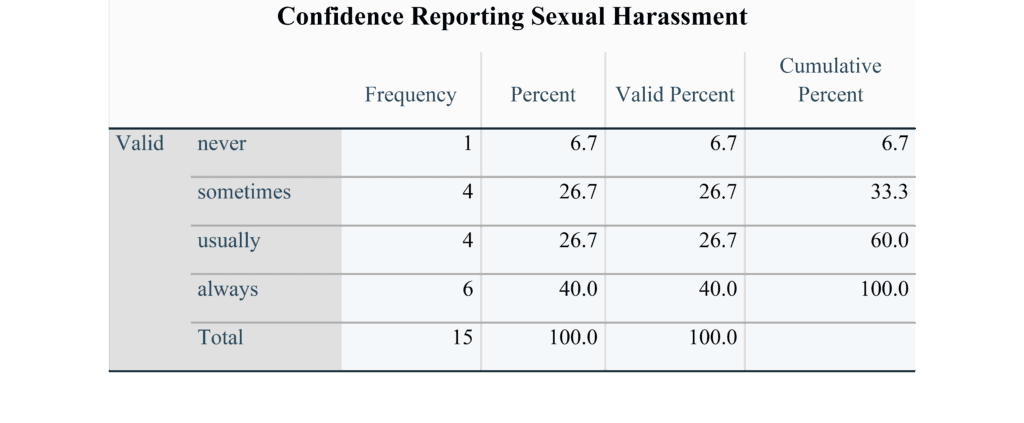
Figure 2: Familiarity with Making a Harassment Report
The study also examines the effectiveness of preventing sexual harassment in the workplace before it happens. Participants of this research indicated that there were times when their workplace never or rarely ever tried to effectively prevent harassment, even when an event was actively occurring. In addition, 60 percent of participants are unfamiliar with how to make a sexual harassment report if they need to, as shown in Figure 3.
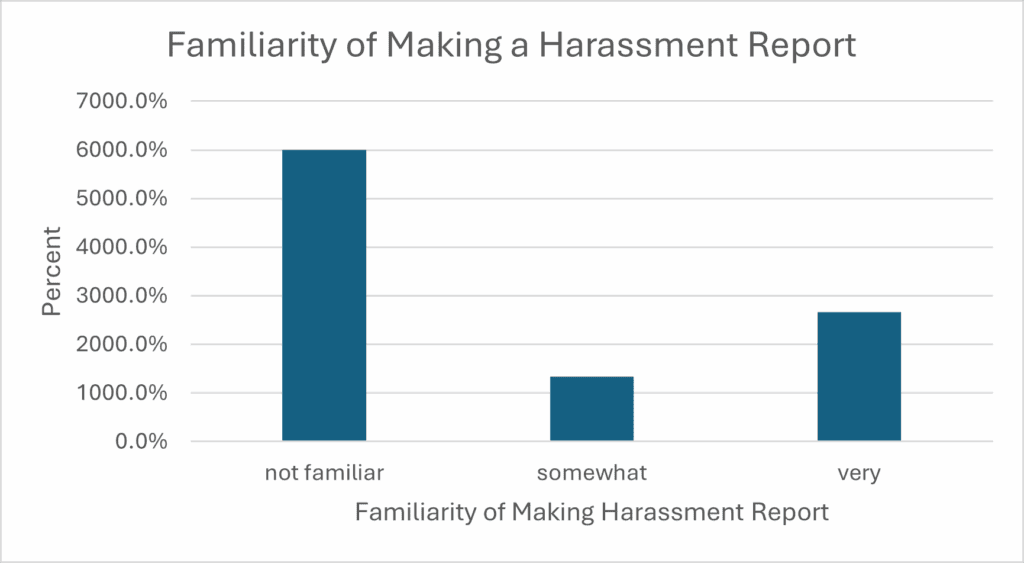
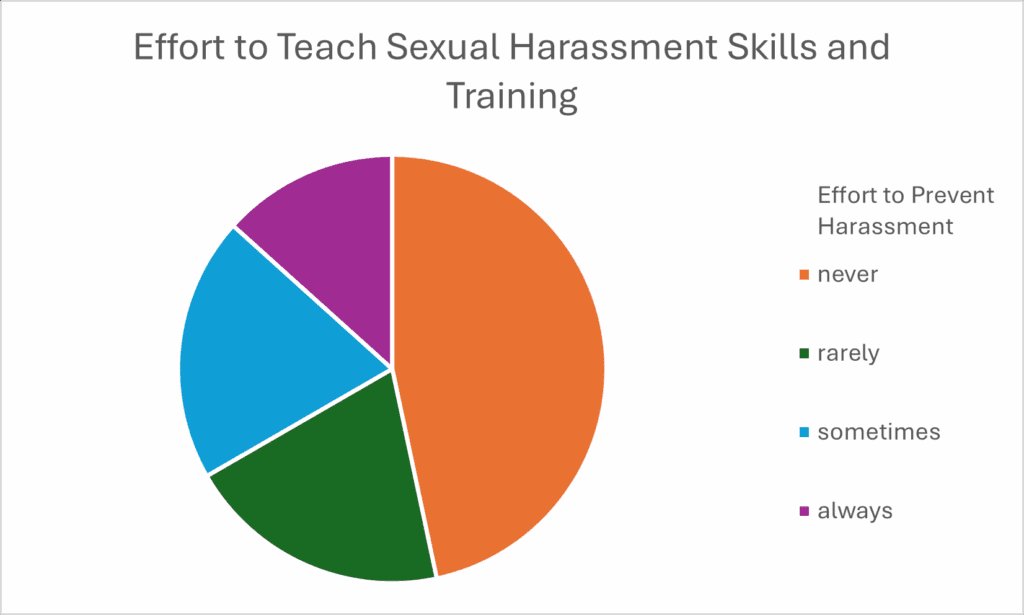
Figure 3: Effort to Teach Sexual Harassment Skills and Training
Figure 4 shows that a cumulative percentage of 66.7% of participants had rarely or never received any skills training or other training regarding sexual harassment. Moreover, participants reported that 40 percent of the time, sexual harassment was not taken seriously, or policies were not followed properly. The result shows that the effort to provide skills and training for sexual harassment in the workplace is not taken seriously.
Interview Data Analysis
Interviews with three participants captured their insights on harassment in the workplace, allowing them a chance to share their knowledge and stories. The interviews reported that women face the most workplace challenges regarding sexual harassment and harassment. All workplaces, industries, and sectors have the potential for sexual abuse. Nevertheless, interview results suggest that younger women, minority groups, lower economic status, and forms of disability are characteristics that could make one susceptible to facing discrimination and sexual abuse within the workplace. According to the research, those in the service or customer service industry face the highest degree of sexual harassment, dealing with more challenges and interacting with more people, such as patrons, colleagues, and managers.
According to the results, uncomfortable instances within a workplace setting arise depending on the work culture, the attitudes of employees and supervisors, the rules and regulations, and how strictly these rules are followed and enforced. However, the risk of harassment increases as rules and policies are not adequately implemented and practiced. Moreover, interviewees stated that not all workplaces guarantee safety for all employees. Situations vary, but a typical pattern is that although policies or unions may be in place to address workplace abuse, they are not always strictly followed or enforced. A lack of policy enforcement and an inability to enforce rules for employees can ostracize the victim, resulting in an overall disregard for the issue. The participants also concluded that many workplaces undoubtedly fail to recognize and respond to sexual misconduct promptly, especially in cases when an abuser has a high position of power within the workplace.
Moreover, the study revealed that participants were either unfamiliar or only moderately familiar with making a sexual harassment report due to the lack of information and training to deal with sexual misconduct in the workplace. The research result captures the recurring theme that employees are not provided with adequate training and skills to act appropriately and respond to sexual harassment in the workplace. Thereby, it relates to gender oppression and discrimination that women face and how this inequity routinely affects women at work. At the same time, smaller, remote northern communities with fewer social services can lead to more problematic workplace environments well beyond the topic of sexual harassment.
Participants recommended reminding, monitoring, and revising policies regularly and continuously. A supportive workplace that understands the harm of sexual harassment and has the training and resources to address issues appropriately will encourage those of all workplace statuses to be more conscious of their actions. Furthermore, a supportive work environment informs and empowers victims and ensures perpetrators are held accountable for their actions. When regulations in the workplace are overlooked or not enforced, there is a lack of understanding of how individuals should act when a situation arises. In turn, the undermining and marginalization of women’s lived experiences attempt to deflect the shame of harassment onto its victims when they speak up in search of justice.
The findings have demonstrated a lack of sexual harassment training and skills, and enforcement of policies in workplace settings. The research result revealed why younger groups of women are most at risk of experiencing workplace sexual abuse. To expand, young women are not given the proper information and support regarding sexual harassment policies and procedures in their workplace. In addition, the stigma attached to the situation can leave many other cases unreported. Even when an issue is reported, supervisors do not always take it seriously or act. Hence, employee safety is not always prioritized. The overall analysis of the data shows that negligence in the workplace creates an increased likelihood of risk and inability to correct and prevent sexual harassment in the workplace. This issue is not only due to the inappropriate actions of abusers but also due to the inaction of bystanders. Inconsistent implementation of policy and lack of accountability for abusers only reinforce inappropriate behaviour and protect abusers over the victims.
Limitations
The small sample size made the findings generalizable. Moreover, the time frame makes it difficult to gather more data, as the study was conducted within one semester for a course. With additional time, the expansion of research would reach the tri-community: The Pas, Opaskwayak Cree Nation, and the Royal Municipality of Kelsey, to include additional workplace sectors and job categories. Even with a smaller sample size, various demographic information was included. Although finding significance in the relationships between variables was not conducted statistically, this study was an experience with relevant findings that can be applied to other small communities.
Recommendations
Employee rights must be ensured, and information must always be available to confront abusers without repercussions for the victims. The requirement of suitable measures for employees and employers, and the implementation of human resources, is crucial for all workplace sectors. The workplace sexual abuse policies must be implemented and adequately followed to seek change in workplace safety and abuse. However, sexual harassment is not a simple one-answer and quick-fix solution, and policies must be tailored to the specific workplace and held up to high safety standards by staff and employers. After an incident, employees are responsible for making a report to supervisors or human resources as soon as possible, which is the first step to reassert and regain control over the situation. Secondly, abusers must be held liable for their actions, and existing policies must be strictly enforced. Furthermore, policies must be regularly re-evaluated when necessary, and employees must be thoroughly informed before commencing a position. Sexual harassment must be taken seriously by everyone in the workplace. Preventing harassment before it happens in all institutions is the most effective step to ensure a safe and healthy environment. A specific course of action that anyone can take is to advocate for and stand alongside women to prevent and hold inappropriate behaviour in and outside the workplace accountable.
Conclusion
The research indicates women are more significantly at risk for sexual harassment in the workplace, and the lack of support and information further diminishes their workplace safety and well-being. The findings reveal that workers are either unaware of policies or face challenges when trying to disclose incidents to their employers, primarily due to irregular enforcement of policies and a lack of information. This study highlights the importance of addressing unsafe working conditions and emphasizes that employees and employers must adhere to proper guidelines and policies to effectively prevent and manage harassment.
Furthermore, this examination is critical for recognizing the commonly overlooked pattern of sexual harassment in the workplace and for developing recommendations for improving best workplace practices. Notably, this experience has empowered people to share their truths and break free from the stigma and silence surrounding sexual harassment.
Continued research in this study area is vital, especially since women, particularly Indigenous women, remain disproportionately vulnerable to harassment, abuse, and violence in and outside the workplace. Increasing awareness and research will yield more diverse perspectives and recommendations aimed at creating safer and more effective practices that mitigate sexual harassment and abuse.
Lastly, there is a pressing need for further investigation into other workplace inequality issues in small communities to establish adequate community-based prevention strategies for addressing and managing misconduct.
References
Carle, S. D. (2006). Acknowledging informal power dynamics in the workplace: A proposal for further development of the vicarious liability doctrine in hostile environment sexual harassment cases, Duke Journal of Gender Law & Policy, 13(1), 85-113. Retrieved from https://scholarship.law.duke.edu/djglp/vol13/iss1/5
DiLorenzo, L. P., & Harshbarger, L. H. (1999). Employer liability for supervisor harassment after Ellerth and Faragher, Duke Journal of Gender Law & Policy, 6(1), 3-26. Retrieved from https://scholarship.law.duke.edu/djglp/vol6/iss1/2
Huhndorf, S. M. (2021). Scenes from the fringe: Gendered violence and the geographies of Indigenous feminism. Journal of Women in Culture & Society, 46(3), 561–587. Retrieved from https://doi.org/10.1086/712045
Jones, T., & Wade, E. E. (2020). Me too? Race, gender, and ending workplace sexual harassment, Duke Journal of Gender Law & Policy, 27(1), 203-225. Retrieved from https://scholarship.law.duke.edu/djglp/vol27/iss1/12
Keller, E. A., & Tracy, J. B. (2008). Hidden in plain sight: Achieving more just results in hostile work environment sexual harassment cases by re-examining Supreme Court precedent, Duke Journal of Gender Law & Policy, 15(2), 247-274. Retrieved from https://scholarship.law.duke.edu/djglp/vol15/iss2/7
MacKinnon, C. A. (1991). Reflections on sex equality under law. The Yale Law Journal, Vol. 100, 1281–1328. Retrieved from https://openyls.law.yale.edu/bitstream/ha ndle/20.500.13051/8612/56_100YaleLJ1281_March1991_.pdf?sequence=2&isAllowed=y
Scott, J. (1999). Pragmatism, feminist theory, and the reconceptualization of sexual harassment. UCLA Women’s Law Journal, 10(1). Retrieved from https://escholarship.org/uc/item/86f7r080
Sekreta, E. (2006). Sexual harassment, misconduct, and the atmosphere of the laboratory: The legal and professional challenges faced by women physical science researchers at educational institutions. Duke Journal of Gender Law & Policy, 13(1), 115-138. Retrieved from https://scholarship.law.duke.edu/djglp/vol13/iss1/6
Tucker, A. (2016). Media and the Perpetuation of Western Bias: Deviations of Ideality. Institute for Community Prosperity.
Yosep, I., Hikmat, R., Suryani, S., Mardhiyah, A. (2023). Experiences of sexual harassment by patients among nurses at the mental hospital of West Java province: A qualitative study. International Journal of Environmental Research and Public Health, 20(8) https://doi.org/10.3390/ijerph20085525
Zimbroff, J. (2007). Cultural differences in perceptions of and responses to sexual harassment, Duke Journal of Gender Law & Policy, 14(2), 1311-1342. Retrieved from https://scholarship.law.duke.edu/djglp/vol14/iss2/14